
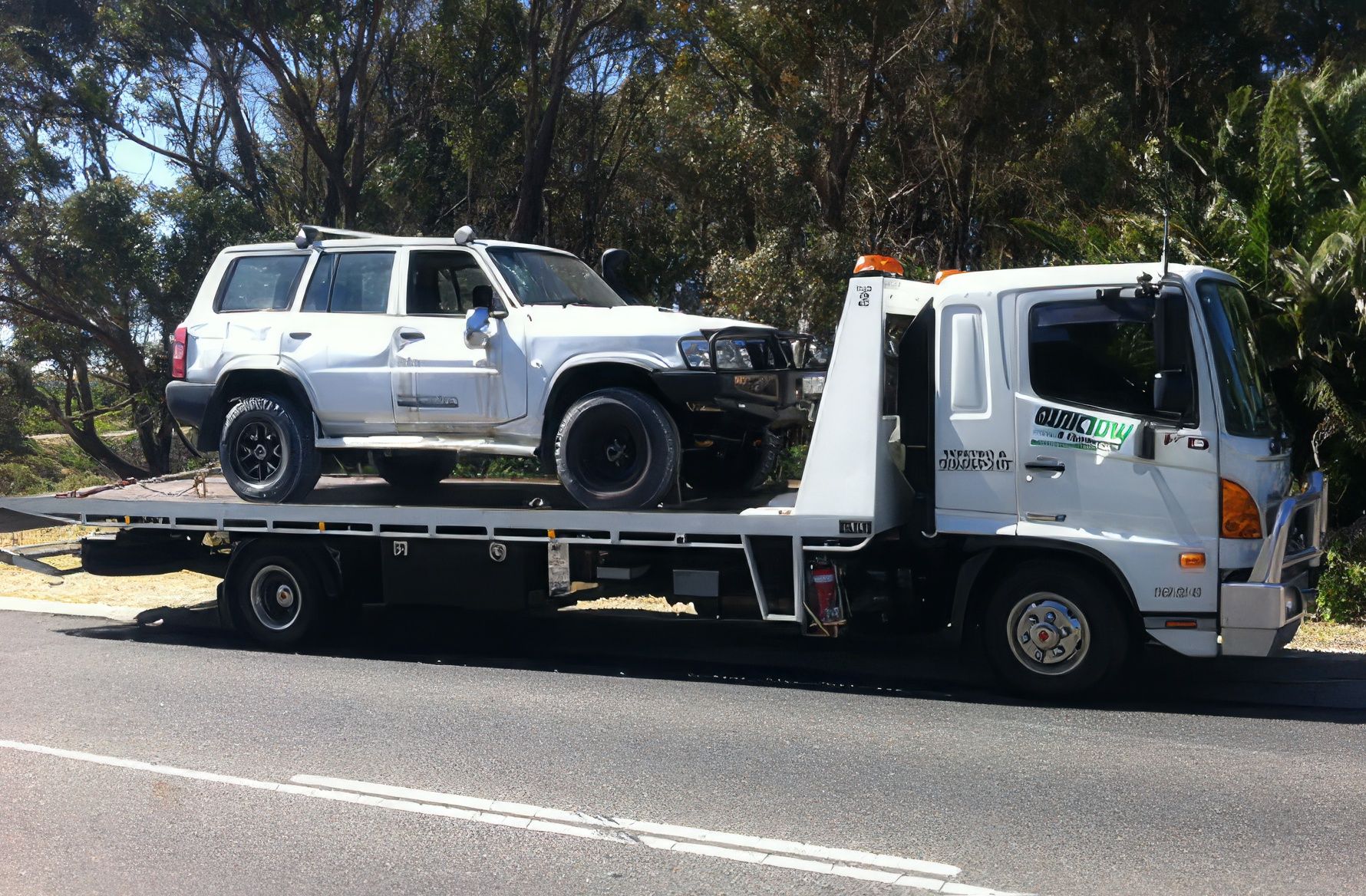
4WD recovery across Perth
Perth is surrounded by places that test a four-wheel drive: beaches where vehicles are allowed, sandy tracks through the coastal scrub, sandy firebreaks on rural blocks and gravel and clay roads through the hills. Most people who get stuck aren’t reckless. They hit a patch of soft sand with tyres pumped up for the highway, misjudged a wet clay slope after rain or followed a track that turned out to be rougher than it looked.
We also recover plenty of vehicles that were never meant to go off the bitumen. An SUV that rolled onto a soft verge to let a truck past, a car caught in a sandy car park after a storm, or a ute bogged on a rural block after the first winter rain.
Sand, mud and tides: how recoveries really work
On sand, the usual problem is tyre pressure and momentum. Once a vehicle digs down to its diffs or chassis, spinning the wheels only buries it deeper. Stop, turn the engine off and call before you dig a hole you can’t climb out of.
On mud and hills tracks, the risk is the vehicle sliding sideways or further downhill during the pull. We look at the angle, the ground and what’s around the vehicle before anything is rigged.
On a beach, time matters most. A vehicle bogged below the high-tide line can be swamped in a short time, and salt water does serious damage to engines and electrics. Tell us where the water is when you call, so we can plan around it. If the water reaches you, leave the vehicle and get to safety.
Every recovery starts with checking the vehicle’s rated recovery points. We use rated gear and make a slow, controlled pull, with everyone standing well back. That’s the opposite of the high-speed snatch you might see online.
Why DIY snatch recoveries go wrong. The real danger in any recovery is equipment failing under load. A tow ball is not a recovery point. It can snap off and become a missile. Old or unrated straps, shackles used the wrong way and too much run-up all add risk. A failed pull can also leave two vehicles bogged instead of one. If you’re unsure, stop and call.
If your vehicle is damaged or won’t start after being recovered, we can tow it home or to your mechanic, or arrange vehicle transport for a longer move. A vehicle that broke down on a track rather than getting bogged is a breakdown recovery job, and we handle those too.
Insurance and pricing
Some insurance policies cover recovery costs and some don’t, and off-road and beach use are often treated differently. If your claim is accepted, we can bill your insurer directly. Read how direct insurance billing works for the detail. If you’re paying yourself, we quote upfront. Price depends on distance, access, how deeply the vehicle is stuck and the time of day. Our pricing is transparent and backed by our best rates guarantee.
Where we work
We run 4WD recoveries around the clock across greater Perth, from the coast to the hills. That covers the coastal tracks and new estates of the northern suburbs, the coastline and semi-rural blocks of the southern suburbs, the hills tracks and properties of the eastern suburbs, the beachside streets of the western suburbs and the rural edges of the south-eastern suburbs. Before you head out, check that vehicles are allowed where you’re going. If you’re already stuck, call 0419 857 070.